
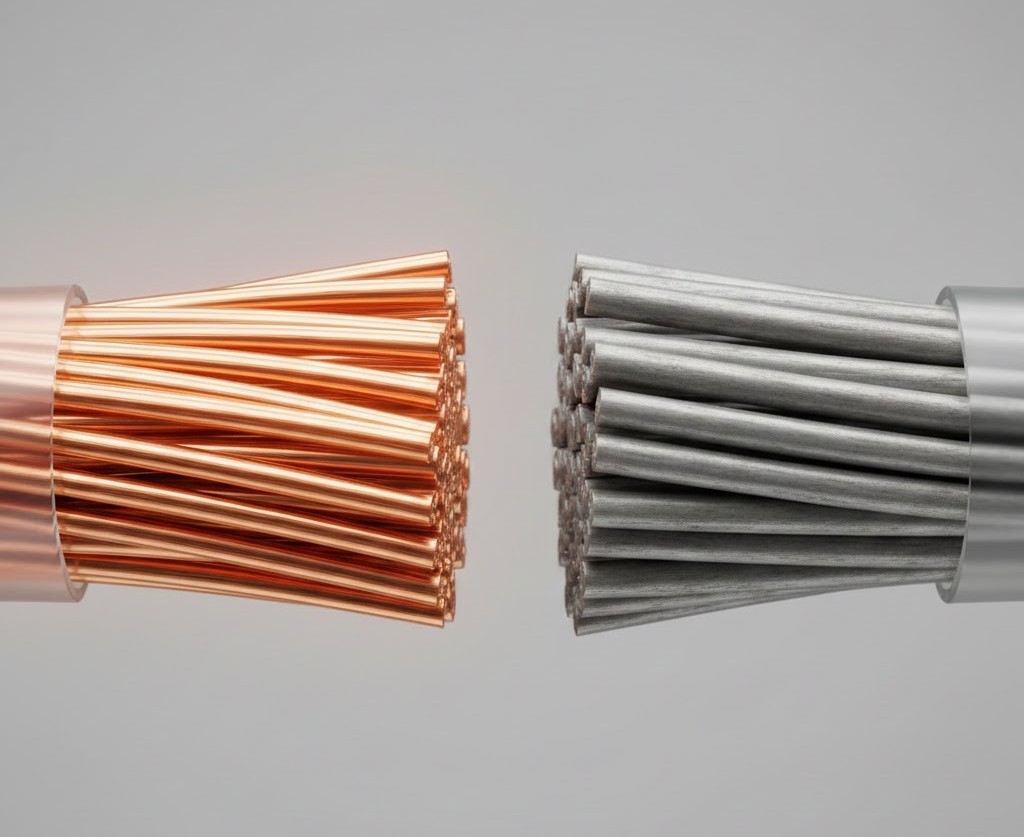
Copper wires are widely preferred in electrical installations, and for good reason.
Copper has long been the material of choice for electrical wiring across residential, commercial, and industrial applications. Its unique combination of electrical, mechanical, and safety-related properties makes it far superior to many alternatives. From efficient power transmission to long-term reliability, copper wires continue to set the benchmark for quality electrical installations.
One of the most important reasons copper is preferred is its excellent electrical conductivity. Copper allows electricity to flow with minimal resistance, which means less energy is lost as heat during transmission. This high conductivity enables copper wires to carry more current using a smaller cross-sectional area compared to other metals. As a result, electrical systems using copper wiring operate more efficiently, reduce power losses, and deliver consistent voltage to connected devices.
Thermal performance is another key advantage of copper wires. Copper has the ability to dissipate heat effectively, which helps prevent overheating during continuous operation or high-load conditions. Overheating is one of the primary causes of insulation failure and electrical fires. By maintaining lower operating temperatures, copper wires significantly enhance system safety and extend the life of insulation and connected equipment.
Durability and mechanical strength further contribute to copper’s widespread use. Copper wires are strong yet flexible, making them easier to install, bend, and route through conduits and junction boxes without breaking. This flexibility reduces installation time and minimizes the risk of damage during handling. Once installed, copper maintains its structural integrity over long periods, even under varying load and temperature conditions.
Another major benefit of copper is its resistance to corrosion. Electrical installations are often exposed to moisture, humidity, and environmental contaminants. Copper naturally resists corrosion and oxidation, ensuring stable electrical connections and consistent performance over time. This reliability is especially important in areas where maintenance access is limited or where system failure could lead to serious consequences.
Copper wires also offer superior compatibility with electrical terminals and connectors. They form strong, secure connections that remain stable over time, reducing the likelihood of loose joints or arcing. Secure connections improve safety and reduce maintenance requirements, making copper wiring ideal for both fixed installations and high-demand environments.
Safety is a critical factor in electrical design, and copper excels in this area. Its predictable performance under electrical and thermal stress allows engineers to design systems with greater confidence. Copper wiring performs reliably during fault conditions, enabling protective devices such as circuit breakers and fuses to operate correctly. This rapid fault response minimizes damage and enhances user safety.
From a long-term cost perspective, copper wiring provides excellent value despite its higher initial cost compared to alternatives like aluminum. Copper’s longevity, low maintenance requirements, and reduced failure rates result in lower total ownership costs. Fewer repairs, less downtime, and improved energy efficiency make copper a cost-effective choice over the life of an electrical system.
Environmental considerations also favor copper. It is 100% recyclable without loss of performance, making it an environmentally responsible material. Recycled copper requires significantly less energy to process than new copper, contributing to sustainability while maintaining high quality standards.
In conclusion, copper wires are widely preferred in electrical installations because they offer unmatched conductivity, thermal stability, durability, safety, and long-term value. Their proven performance across diverse applications makes them a trusted and reliable choice for modern electrical systems. Choosing copper wiring ensures efficient power delivery, enhanced safety, and dependable operation for years to come.